Puerto Rico isn't one market — it's a dozen
National headlines treat "Puerto Rico real estate" as a single story. On the ground, it's nothing of the kind. A beachfront estate in Dorado and a walk-up in a transitioning San Juan neighborhood answer to completely different forces. So the real question for 2026 isn't whether the island is appreciating — it's which corridors are, and why.
Here's how the fastest-moving markets look right now, from our home base in Old San Juan out to the luxury benchmark in Dorado.
The one force underneath everything: scarcity
Before we get to neighborhoods, understand what's driving all of them. Very little new housing is being delivered on the island, and rising construction costs mean most of what does get built lands in the luxury tier. When new supply can't respond to demand, well-located property appreciates. Simple as that. Keep that in mind as you read — every market below is standing on the same foundation.
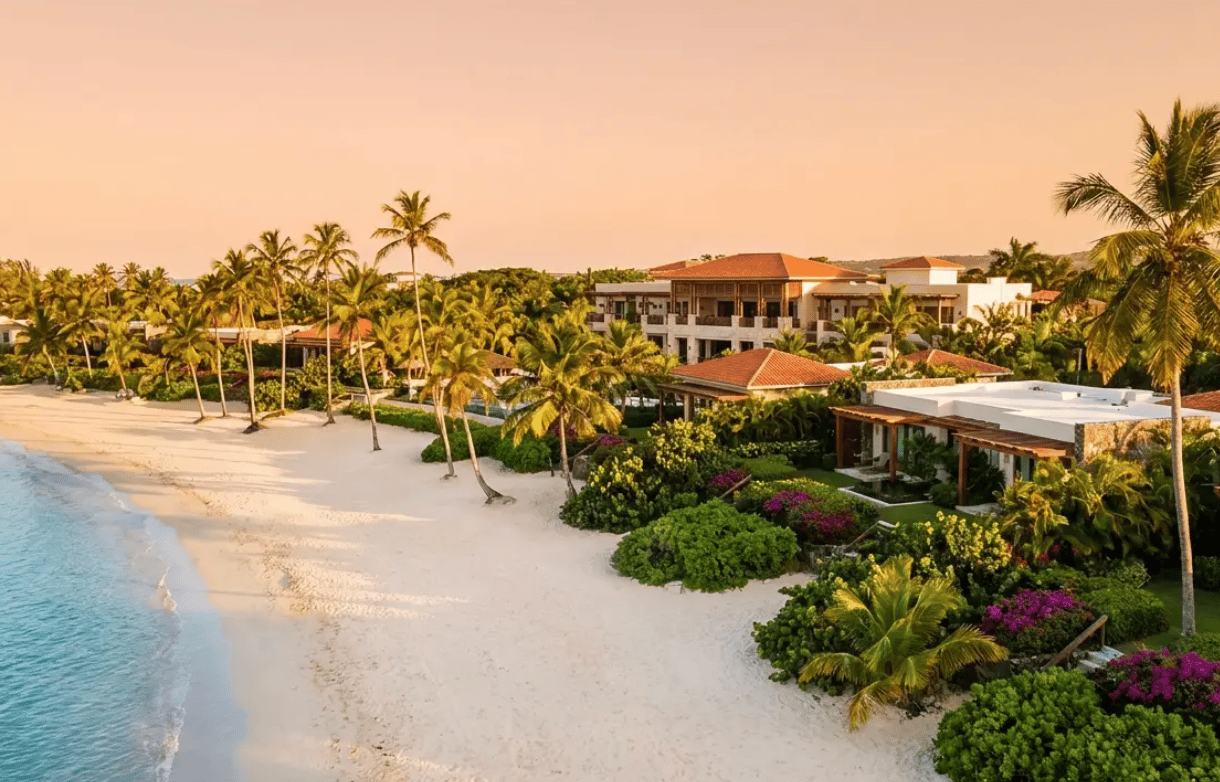
Dorado: the ceiling, still rising
Dorado sets the standard. A tightly held inventory of roughly a thousand homes, low turnover, and steady demand from mainland relocators have kept prices climbing even as the broader island cools. The appreciation here isn't speculation — it's arithmetic. There simply isn't enough beachfront to go around, and there won't be.
One thing portal shoppers miss entirely: a large share of the meaningful transactions in the Dorado corridor never appear on a public listing site. They close quietly, broker to broker. If you're only watching Zillow, you're seeing a fraction of what's actually trading.
For 2026, the tone has shifted from the frenzy of prior years to something more disciplined. Buyers are still active and well-funded, but they're pricing off real comparable sales rather than betting on runaway growth. That's healthy — it rewards accurate pricing and local knowledge over hype.
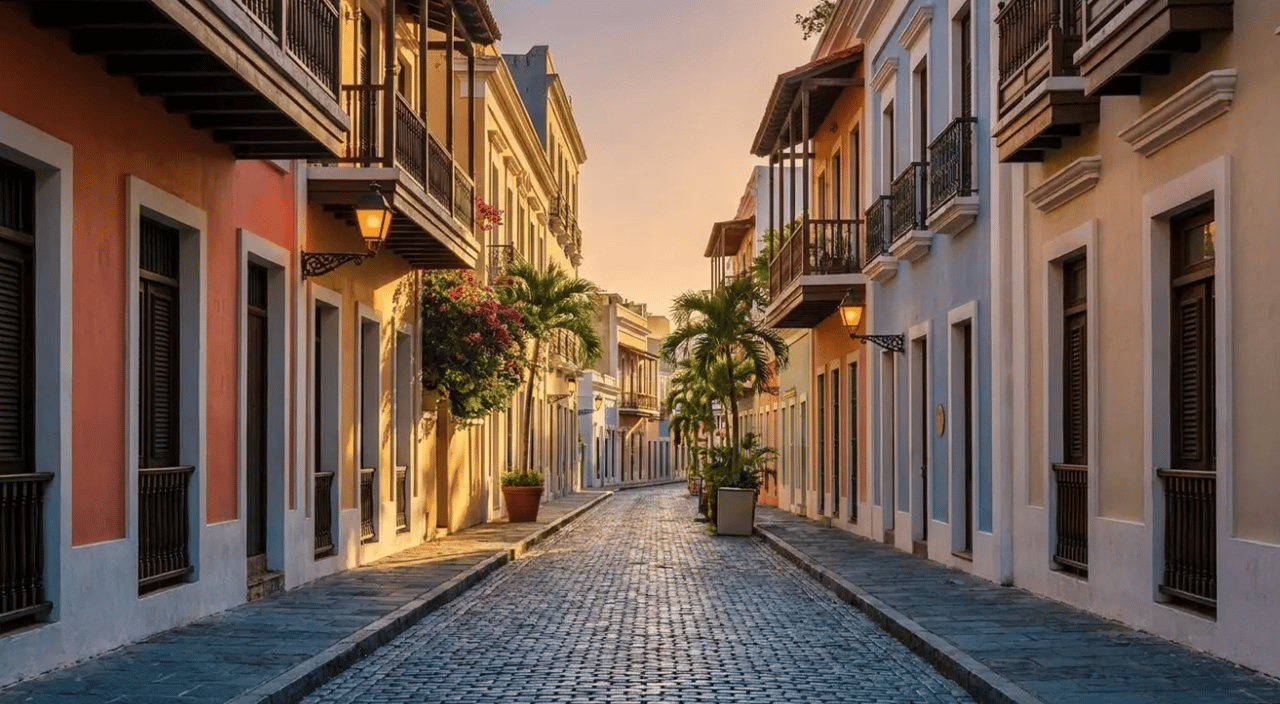
Old San Juan and the urban core: character you can't rebuild
You can always break ground on another gated community. You can't build another Old San Juan. That's the entire appreciation thesis for the historic core — a permanently fixed supply of colonial inventory in one of the most recognizable districts in the Caribbean.
The wider San Juan market is really two stories: strong lifestyle demand and scarcity in the core, alongside better rental yields just outside it in areas like Isla Verde. For buyers who want walkable, irreplaceable real estate with luxury upside, the core is a scarcity play — and scarcity is exactly the point.
The quiet appreciators: Condado, Guaynabo, Ocean Park
Between Dorado's ceiling and the historic core sit the markets doing steady, unglamorous work. Condado keeps drawing buyers who want walkable urban living. Guaynabo remains the choice for executive families. Ocean Park pulls professionals and beachfront seekers. These corridors ride the same supply squeeze without Dorado's entry price — often the sweet spot for buyers who want both appreciation and everyday livability.
The Act 60 accelerant
Underneath all of it is demand from high-net-worth buyers relocating to the island for its tax advantages. As long as those incentives draw new residents and new construction stays constrained, the pressure on quality inventory holds. If Act 60 is part of your plan, timing matters — confirm the specifics with a qualified tax advisor, because the details depend on your circumstances.
What this means for you
Buyers: The best homes in Dorado and the core rarely hit public sites. Shopping portals alone means missing inventory and often overpaying for what's left.
Sellers: The market rewards discipline. Well-priced homes still move quickly; overpriced ones sit.
Investors: Irreplaceable-location and beachfront assets remain the engine. Scarcity is doing the work, not speculation.
At Broker George & Associates, we work every one of these corridors — from Old San Juan to Dorado — with the relationships that surface deals the public never sees. Relocating, investing, or selling into this window? Let's talk about where your goals fit the map.